This page was written from the facts in Website Text v9. The v8 copy it refers to was not supplied, and v9 says that writing is not reopened.
Replace the body copy below with the v8 text before publishing, or sign this off as a replacement. Delete this notice either way.
DISTANCES: every drive time below is unverified. v9 pre-publication checklist requires all of them checked against live routing, and one set of figures used on every page and every OTA listing.
In the heart of Tuscany
Two centuries ago the Genevan intellectual Sismondi stood in these mountains and saw something that reminded him of home. He was the first visitor to put a name to what locals had always known: that this corner of Tuscany is quietly extraordinary — not the Tuscany of postcards and tourist buses, but a wilder, older, less discovered version of the same landscape.
La Marginella sits at its heart. The trail begins at the gate.
The next village along, and the one Carlo Collodi took his pen name from — this is where Pinocchio comes from. The Garzoni gardens are seventeenth-century, built vertically up the hillside in terraces, staircases and water: the best formal garden in this part of Tuscany and almost nobody’s first stop.
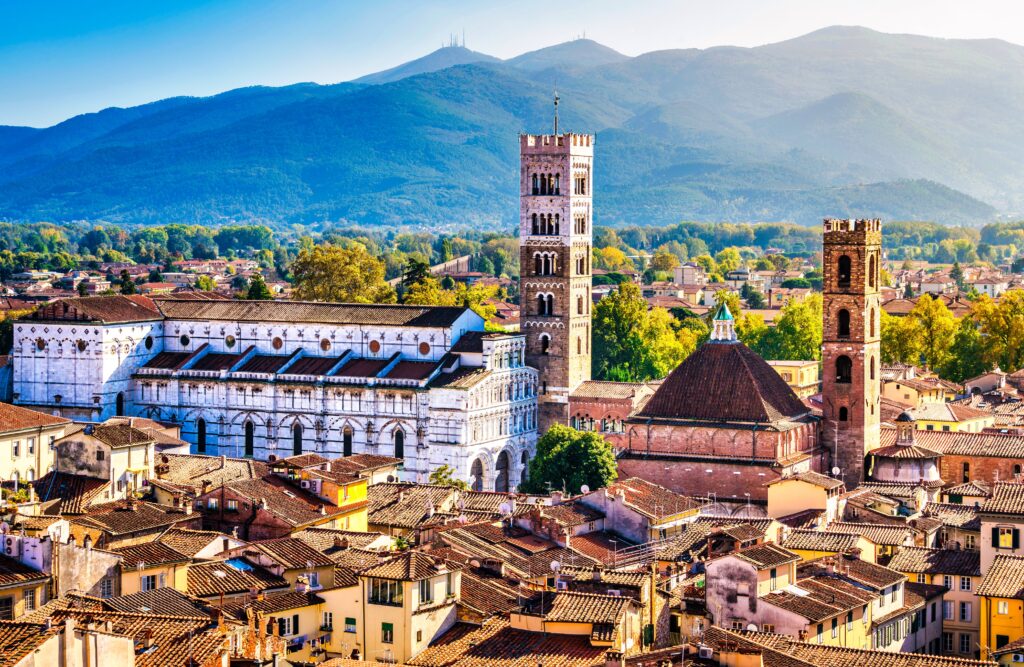
A city of a hundred churches and the towers that are left of the hundred-odd it once had, ringed by Renaissance walls still complete all the way round and planted with trees on top — four kilometres of shaded path above the rooftops. Caesar, Pompey and Crassus met here in 56 BC to carve up the Republic between them. Eighteen centuries later Napoleon handed the whole city to his sister Elisa as a gift.
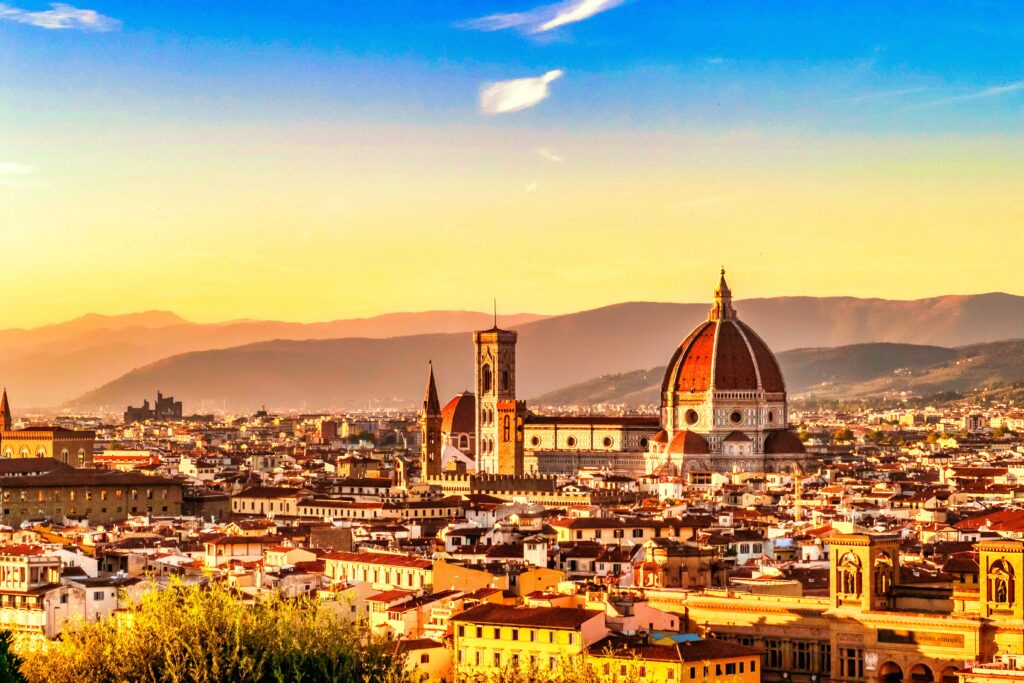
Where the Renaissance started, and where most of it still is — Dante, Botticelli, Brunelleschi’s dome, and Michelangelo’s David. Leonardo was born forty minutes from this hillside and did his early work in the city. Go early, book what you intend to see before you leave, and be back at La Marginella for dinner.
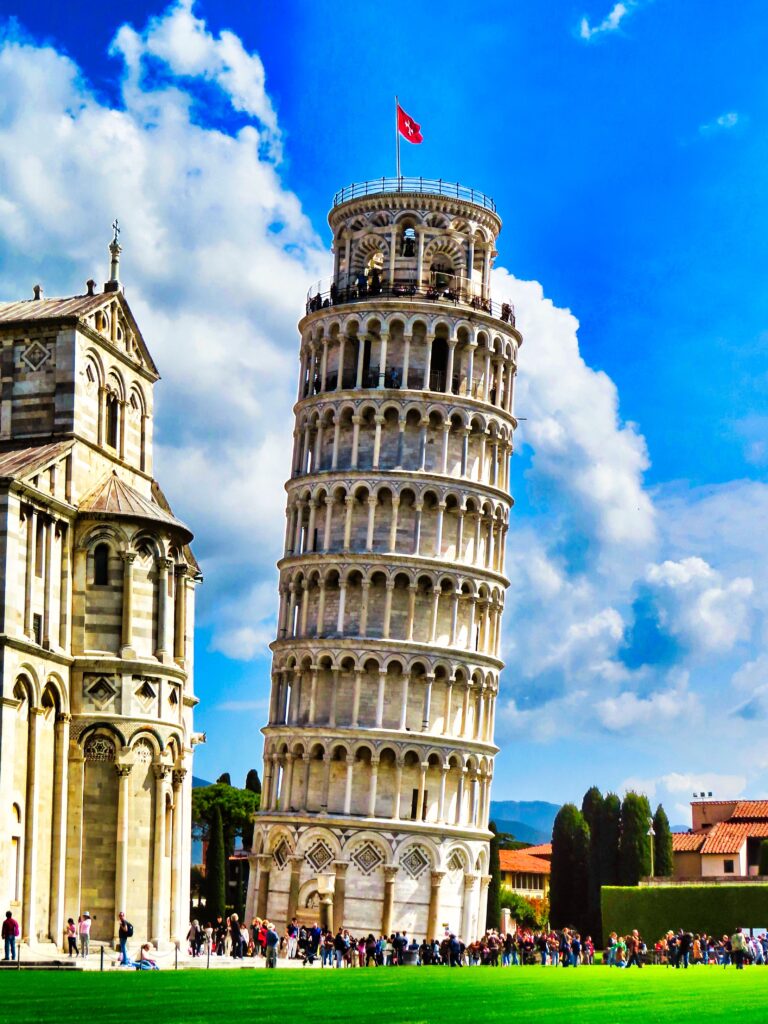
The tower and the Campo dei Miracoli are worth the hour they take, and most people leave immediately afterwards — which is a mistake, because the river and the university quarter are the better half. It is also the nearest airport.
North into the Garfagnana, a stone hill town with a cathedral at the top and a view across to the Apuan Alps. So many of its people emigrated to Scotland and came back that it has a fish and chip shop and its own accent.
Where the coast starts: a Liberty-era seafront of striped bathing establishments and pine woods behind. North, the beaches run up the Versilia to Forte dei Marmi and on towards the Cinque Terre. South, the Tuscan coast continues down to the ports for Elba and Sardinia.
A Belle Époque thermal town built around its springs, with grand pump rooms and a funicular up to the old village above. If you want a spa day with a treatment menu, this is where to go for it.